

Dutch Academic addresses the Growing Problem of Fake References in Research
News originally published by
EIN Presswire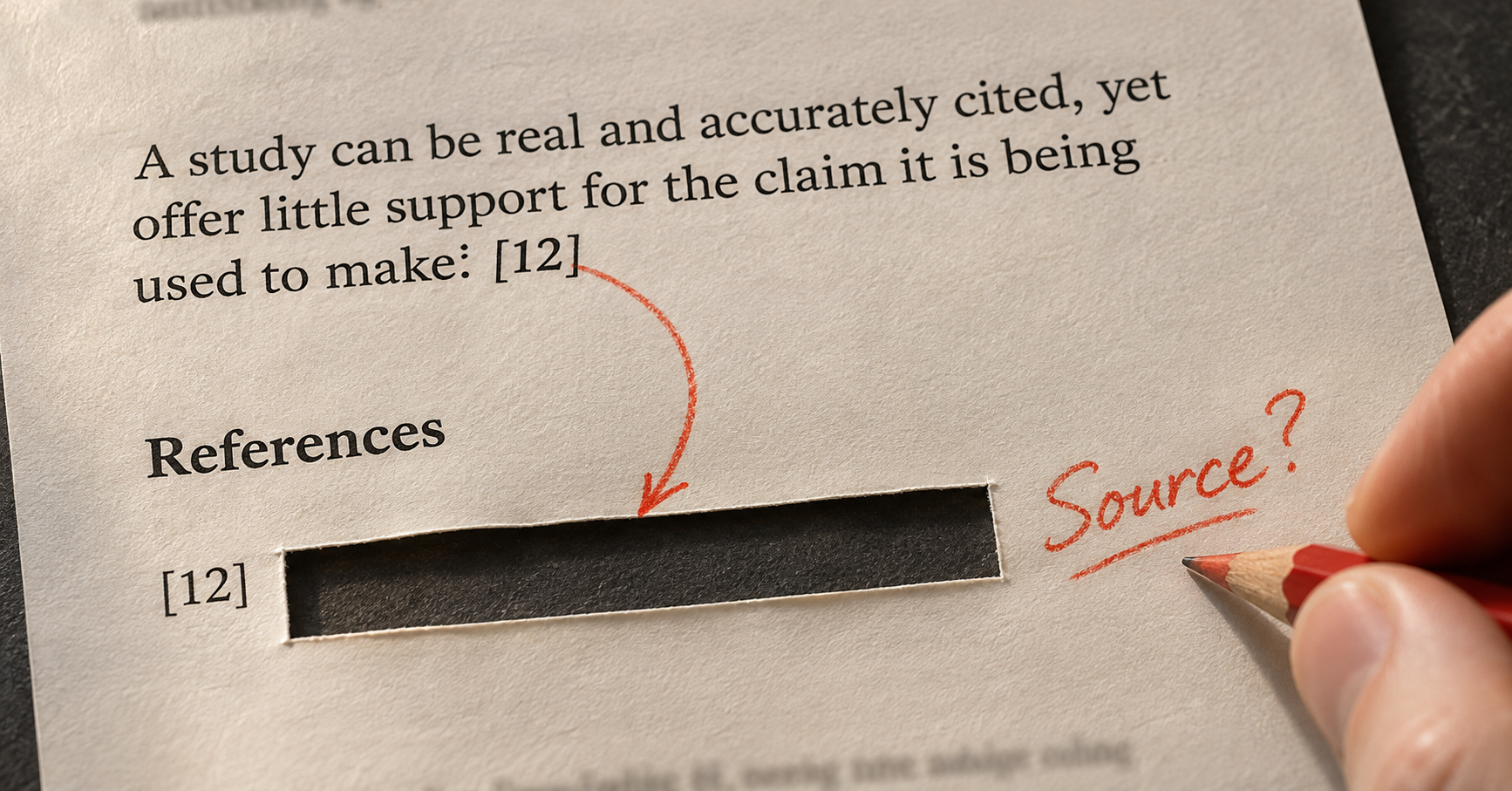
Thousands of fake references were found in published medical papers
Bijl's paper on LLM Benchmarks
After thousands of suspect citations were found in published papers, Aron Bijl examines what reliable research requires, from reviews to study design.
The team reported its findings in The Lancet in May, after examining references from almost 2.5 million open-access biomedical papers. They identified 2,810 papers containing at least one apparently fabricated reference. That was a small proportion of the papers reviewed, but the share increased between 2023 and early 2026. According to the researchers the increase did coincide with wider use of AI writing tools, although they could not establish a causal relationship. They called on publishers to check references before papers are accepted.
The Columbia team also used AI to help identify the suspect references. A language model helped distinguish likely fabrications from ordinary formatting errors. The remaining references were checked against four academic databases, and a sample was assessed manually to measure the system’s accuracy. The approach offers a practical example of AI helping researchers examine large volumes of material, with checks against original sources and human review built into the process.
There is another problem that is harder to spot. A study can be real and accurately cited, yet offer little support for the claim it is being used to make. Stanford researchers described this in a study of AI legal research tools published in 2025: some answers cited sources that did not support the statements attached to them. If you are a researcher planning a study, this matters well before a paper is submitted. An earlier finding may help shape a hypothesis, determine which measurements to use or suggest that a question has already been answered. Which one depends on understanding what the previous research actually found.
Dutch independent researcher Aron Bijl, MSc., examines such questions as part of his commissioned research work. Through Rapid Research Intelligence, he carries out investigations for researchers, authors and organizations, working with scientific literature, datasets and other relevant sources. “A real paper can still be used to support a claim it never tested,” says Bijl. “That's why I look at the methods and the wider evidence before drawing a conclusion.”
Bijl, who trained in experimental psychology, co-authored a 2016 paper in PLOS ONE with Dick Bierman and James Spottiswoode. They used simulations to investigate how choices about analyzing and publishing results could make a collection of studies look more convincing than it should. The paper examined research in experimental parapsychology and described a method that could also be used in other fields.
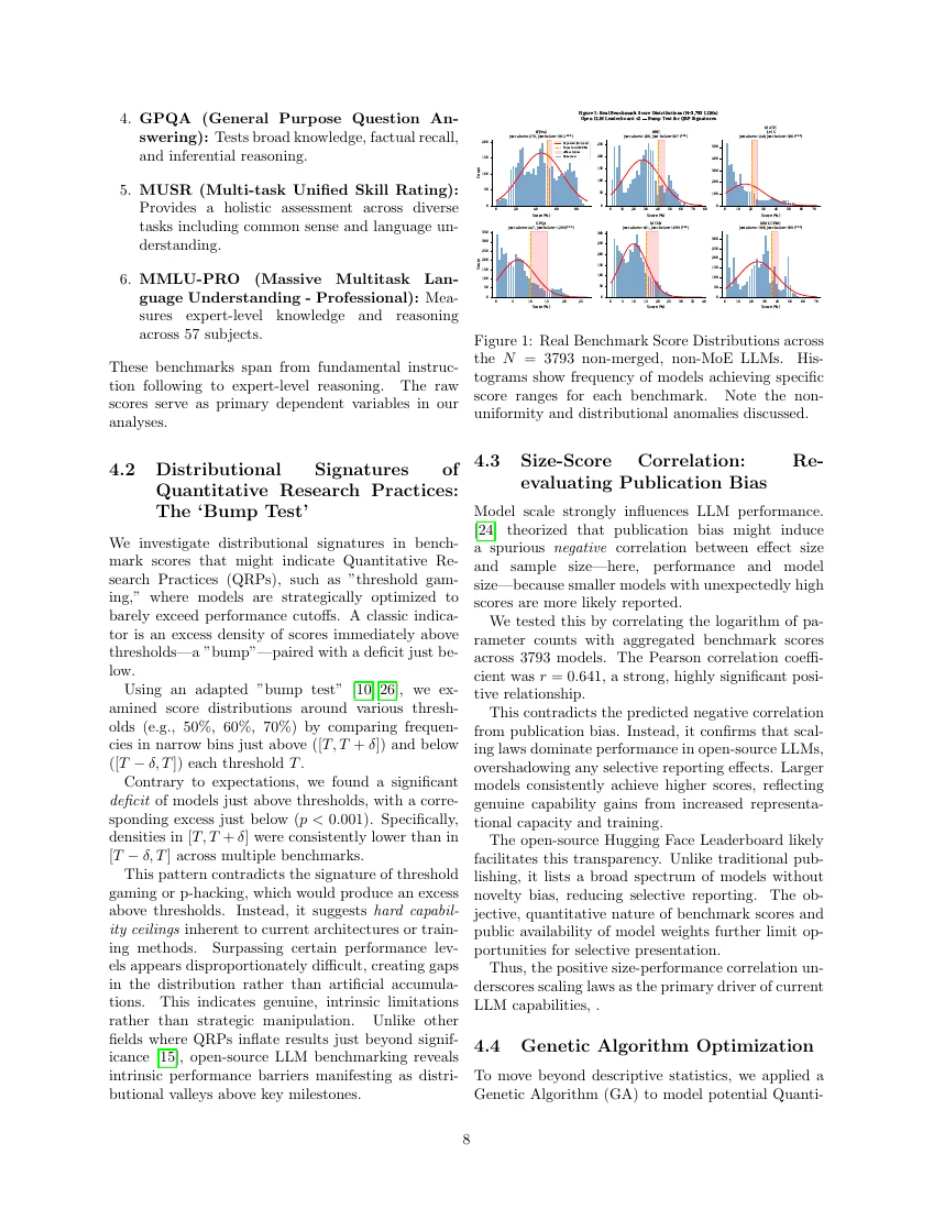
He has since examined related questions in a manuscript covering benchmark results from 3,793 language models. That work uses modelling to explore how selecting favorable results could affect comparisons between AI systems. For a research group developing a project, a commission might involve reviewing earlier studies, comparing competing explanations or identifying questions that have received little attention. It can also include analyzing existing data, developing hypotheses, or working out the design, measures and analysis plan for a proposed study.
Authors and publishers may need background research on a difficult subject. An organization exploring a technology may need an assessment of the research behind it. The starting point can be a question that needs investigating, as well as papers, documents or data that someone has already collected.
Bijl uses AI to help search and organize material, extract information and compare sources. He checks the source support behind the conclusions and reviews the final work personally. His published approach also records gaps in the search, including papers whose full text could not be accessed. Where studies disagree, the review examines whether differences in methods, populations or assumptions could explain the conflict. Several papers might, for example, use the same participants. Treating them as independent confirmation would make the evidence appear stronger than it is.
The result may help a researcher refine a hypothesis, prepare the background for a grant proposal or plan a study that addresses a gap in the literature. It may give an author the material needed to explain a subject accurately, or an organization a clearer account of what is known. Finding the original source is the first step. The next is to read what it actually says, examine how the work was done and compare it with other relevant research. If the available evidence cannot answer the question, the report needs to say so.
About the researcher: Aron Bijl, MSc., is an independent researcher based in the Netherlands. His commissioned work includes literature reviews, research synthesis, data analysis, research planning and experiment design. Research and publications: www.aronbijl.com/research.
Aron Bijl
aronbijl.com
me@aronbijl.com
Visit us on social media:
LinkedIn
X
Other
Legal Disclaimer:
EIN Presswire provides this news content "as is" without warranty of any kind. We do not accept any responsibility or liability for the accuracy, content, images, videos, licenses, completeness, legality, or reliability of the information contained in this article. If you have any complaints or copyright issues related to this article, kindly contact the author above.
