

The most trusted news from the United States
Provided by AGP
Different Awning Styles Continue Influencing Exterior Appearance and Architectural Design
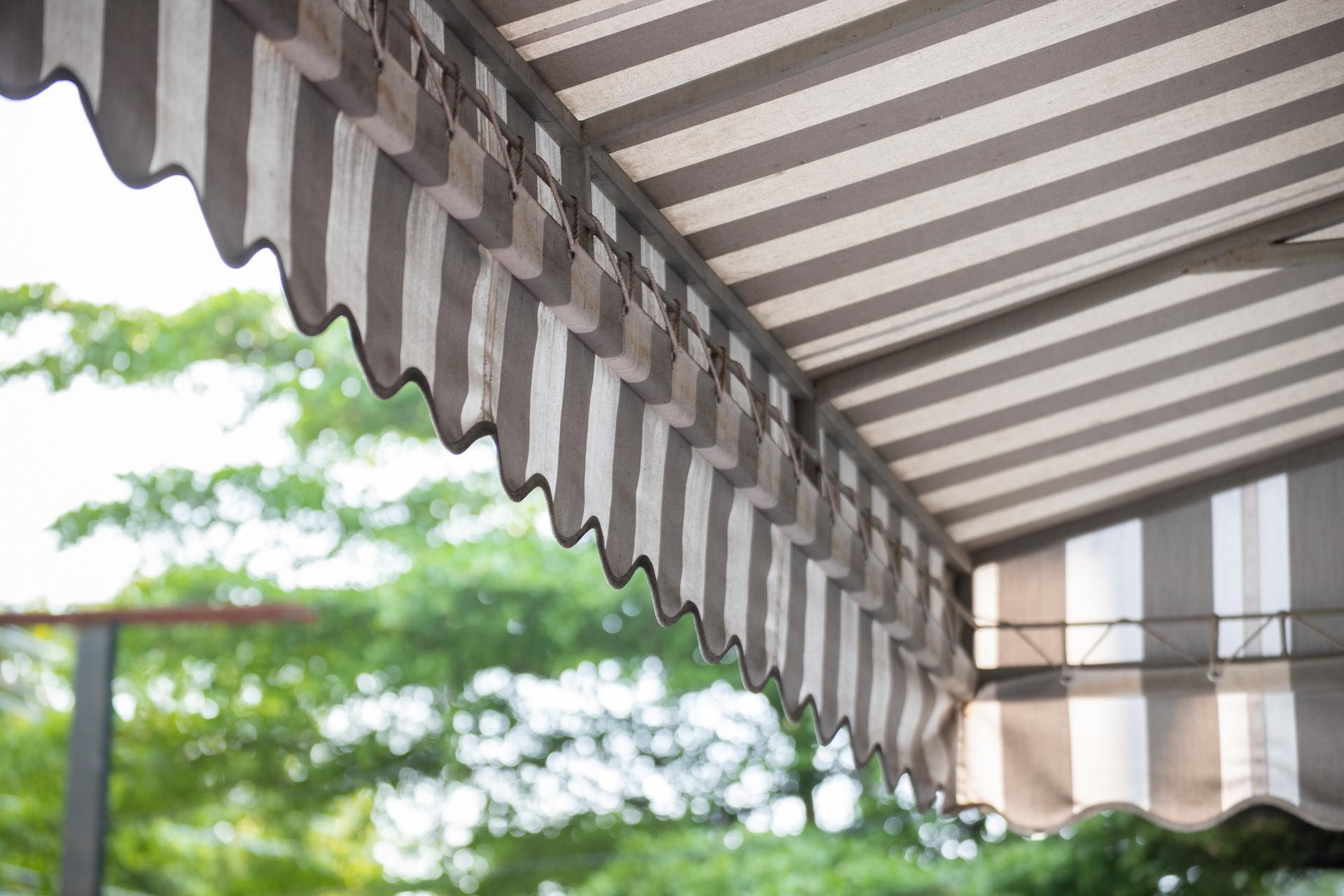

Awnings can significantly affect the visual character of a property depending on the style, shape, material, and placement”
BATON ROUGE, LA, UNITED STATES, May 14, 2026 /EINPresswire.com/ -- Awnings have long served both functional and visual purposes in residential and commercial architecture. Beyond providing shade and weather protection, awning styles often contribute significantly to the overall appearance, character, and visual balance of a building’s exterior. Across homes, storefronts, restaurants, office buildings, and hospitality properties, awning design continues playing a role in how structures are visually perceived from the street.— Michael Matthews
Different awning styles may influence architectural aesthetics in distinct ways depending on shape, material, color, scale, and placement. Design choices involving awnings often affect curb appeal, branding visibility, outdoor usability, and how a structure interacts visually with surrounding properties.
Traditional stationary awnings remain among the most recognizable styles used on homes and businesses. These fixed structures are commonly installed above windows, entryways, patios, and storefronts to provide consistent shade and weather protection. Traditional fabric awnings often contribute a softer appearance that complements both historic and modern architecture.
Dome-style awnings are frequently associated with hotels, boutiques, restaurants, and retail entrances. Their rounded shape may create a more decorative appearance while helping emphasize entry points and architectural focal areas. Dome awnings are often used where businesses want to create visual distinction or highlight entrances from street level.
Concave and convex awning styles also influence visual presentation differently. Concave awnings curve inward slightly, while convex awnings curve outward. These shapes may create a more decorative or upscale architectural appearance depending on the surrounding design elements and building style.
Metal awnings continue growing in popularity within modern residential and commercial architecture. Aluminum and standing seam metal awnings are commonly used for their durability, cleaner lines, and contemporary appearance. Metal systems often contribute a more structured and minimalist aesthetic compared to traditional fabric designs.
Retractable awnings provide additional flexibility in both function and appearance. These systems allow property owners to extend or retract shade coverage depending on weather conditions and usage preferences. Retractable styles are commonly installed above patios, outdoor seating areas, decks, and entertainment spaces where adjustable shade may be beneficial.
Color selection also plays a major role in exterior aesthetics involving awnings. Neutral tones may help blend awnings into existing architecture, while brighter colors or striped patterns may create stronger visual contrast and attract attention to specific areas of the property. Commercial properties often coordinate awning colors with branding, signage, and overall exterior design themes.
Scale and proportion are equally important considerations. Oversized awnings may visually dominate a structure if not properly balanced with the building’s architecture, while undersized systems may appear disconnected from the surrounding design. Proper proportion often helps awnings integrate more naturally with windows, entryways, rooflines, and outdoor spaces.
Michael Matthews, President and Chief Executive Officer of Awning World in Baton Rouge, said awning design often influences how a building is visually perceived long before people enter the structure.
“Awnings can significantly affect the visual character of a property depending on the style, shape, material, and placement,” Matthews said. “Different designs may complement traditional architecture, modern structures, storefront visibility, or outdoor spaces in very different ways.”
Matthews noted that climate conditions in Louisiana also influence awning selection. Shade coverage, rain protection, sun exposure, and heat management often affect both residential and commercial design decisions throughout the Gulf South region.
Commercial properties frequently use awnings as part of exterior branding strategies. Restaurants, hotels, retail stores, office buildings, and hospitality venues often incorporate custom awning designs to help create visual identity and improve street visibility. Logos, lettering, color schemes, and lighting may all become integrated into awning systems depending on the property’s design goals.
Residential applications continue expanding as homeowners place greater focus on outdoor living spaces and curb appeal improvements. Patio awnings, pergola covers, entry canopies, and window awnings are increasingly used to create shaded areas while contributing to the overall appearance of the home.
Architectural compatibility remains an important part of awning design planning. Historic homes, modern commercial buildings, Mediterranean-style architecture, industrial spaces, and coastal properties may each benefit from different awning styles based on the structure’s existing design characteristics.
Material selection also affects both appearance and maintenance considerations. Fabric awnings may provide softer visual texture and traditional styling, while metal systems often create cleaner lines and a more contemporary look. Environmental exposure, weather conditions, and long-term durability requirements may influence which materials are selected for a particular property.
Outdoor dining and entertainment trends have further increased the visibility of awning systems in recent years. Restaurants, cafés, event venues, and hospitality spaces frequently use awnings to create covered outdoor seating areas that remain visually connected to the surrounding architecture.
Lighting integration has also become more common in awning design. Accent lighting, under-awning illumination, and illuminated signage may contribute to nighttime visibility and exterior atmosphere, particularly for commercial properties operating during evening hours.
As exterior design trends continue evolving, awning systems remain closely tied to both functional performance and architectural presentation. Whether installed for shade, weather protection, branding, or visual enhancement, awning styles continue shaping how residential and commercial properties are experienced from both a practical and aesthetic standpoint.
Morgan Thomas
Rhino Digital, LLC
+1 504-875-5036
email us here
Visit us on social media:
Facebook
Legal Disclaimer:
EIN Presswire provides this news content "as is" without warranty of any kind. We do not accept any responsibility or liability for the accuracy, content, images, videos, licenses, completeness, legality, or reliability of the information contained in this article. If you have any complaints or copyright issues related to this article, kindly contact the author above.
