

Ten Powerful Questions to Guide Leadership Reflection in a Time of Change — A Black History Month Call to Action

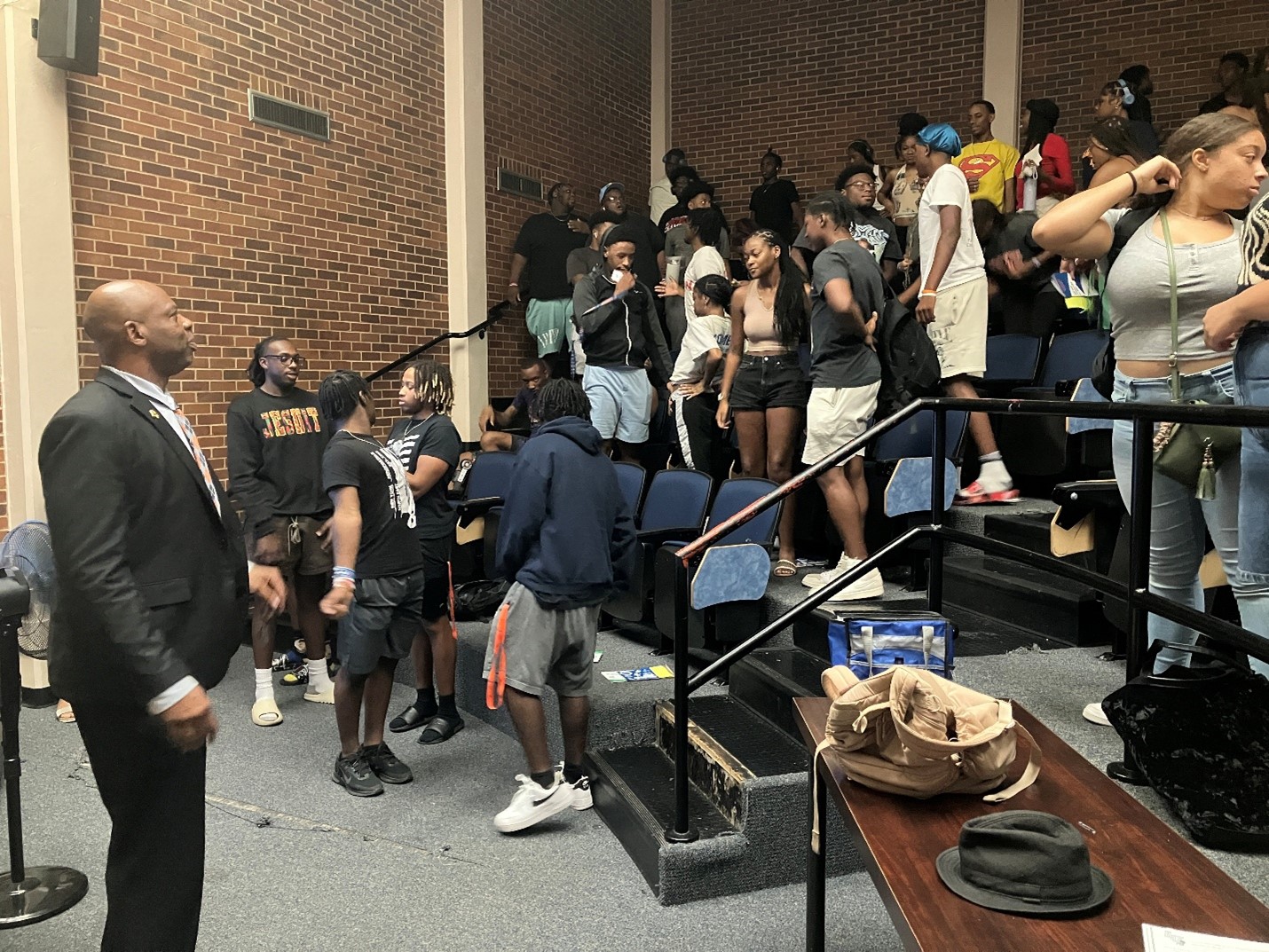
Dr. Green supports the development of future leaders through outcome-focused education and organizational leadership.
Recent national attention surrounding a widely circulated video involving high-profile political figures has prompted renewed discussion about how leaders’ words and representations are interpreted in moments of heightened visibility.
Rather than focusing solely on historical reflection, this year’s Black History Month offers an opportunity to examine how leadership decisions, especially during periods of heightened public scrutiny, are assessed over time. The story reflects on current conditions shaping leadership across business, education, and public institutions, including economic uncertainty, evolving organizational priorities, and ongoing public debate around equity, workforce expectations, and accountability. Within this environment, leaders are increasingly evaluated not by intent or messaging, but by results that demonstrate sustained progress.
This perspective is informed by Dr. Daryl D. Green, Dean of the Langston University School of Business, a business strategist and nationally quoted thought leader with more than 27 years of experience as a senior engineer and executive leader within the U.S. Department of Energy. Dr. Green has led complex organizations under constraint across both federal service and higher education, focusing on systems improvement and leadership outcomes. “Periods of disruption tend to clarify leadership. Moments of national attention often clarify how leadership is experienced beyond intent,” said Dr. Green.
Why This Moment Matters
Leadership transitions and systemic shifts are not new to American institutions. Previous decades introduced globalization, digital transformation, and new models of work, reshaping organizational expectations. More recently, rapid changes in technology, workforce norms, and public trust have accelerated decision-making timelines and increased scrutiny on leadership effectiveness.
In this context, Black History Month 2026 offers a timely opportunity to reflect on how leadership is experienced and measured during periods of sustained change. At LUSB, this reflection has centered on outcomes that improve access, reduce barriers, and support long-term institutional resilience.
Ten Questions That Inform Leadership Reflection
Rather than issuing policy recommendations, this release outlines ten questions designed to encourage thoughtful leadership reflection. These questions are based on years of experience guiding organizational transitions, institutional improvement efforts, and accountability-focused decision-making:
1. Who is better positioned today because of consistent leadership presence?
2. What obstacle was removed rather than managed or deferred?
3. When disruption occurred, were decisions guided by comfort or by outcomes?
4. Have investments been made in people who will sustain progress beyond current leadership?
5. Do recent decisions reflect clarity of purpose or caution in the face of resistance?
6. Are systems designed to enable talent or unintentionally delay progress?
7. Can leadership effectively translate across cultural, economic, and organizational contexts?
8. Has opposing feedback been examined as information rather than dismissed?
9. What measurable result exists today that did not exist previously?
10. How will leadership impact be described by those most affected in the future?
“These questions are intended to support reflection, not judgment,” Dr. Green noted. “They help organizations understand how leadership choices are experienced over time.”
Impact-Focused Leadership in Practice
At Langston University, this reflective framework has informed leadership decisions within the School of Business, particularly in environments characterized by limited resources and heightened accountability. Emphasis has been placed on practical outcomes that support student progress, organizational clarity, and sustainable improvement. The broader lesson extends beyond higher education. Leadership effectiveness is increasingly associated with the ability to drive forward progress under pressure, build trust across stakeholders, and maintain focus on results that endure beyond individual tenure. Recent initiatives at LUSB have focused on improving student completion rates, expanding workforce development partnerships, and strengthening accountability measures tied to measurable student outcomes.
Black History Month as a Leadership Checkpoint
Black History Month has long served as a period of recognition and education. In 2026, it also serves as a checkpoint for leadership reflection, examining how decisions made during challenging periods contribute to opportunities, continuity, and long-term progress. “History tends to remember outcomes more clearly than intentions,” Dr. Green said. “Periods of uncertainty often reveal which systems are prepared to support progress and which require recalibration.” As Black History Month continues, the conversation surrounding leadership effectiveness remains relevant across sectors, particularly as organizations navigate ongoing economic and organizational change.
Media Availability
Faculty leaders from the Langston University School of Business, including Dean Dr. Daryl D. Green, are available for media interviews during Black History Month 2026 and beyond. Topics include leadership in times of uncertainty, organizational effectiveness, workforce development, and outcome-focused decision-making.
Few academic institutions can offer this depth of expertise from a single campus. Langston University provides producers with credible, community-rooted voices who combine scholarship, lived experience, and practical insight.
For media inquiries or to schedule interviews with Dean Dr. Daryl D. Green, please get in touch with the
Langston University Public Relations Office
Phone: (405) 466-6049
Email: emelero@langston.edu
ABOUT LANGSTON UNIVERSITY SCHOOL OF BUSINESS:
Langston University, located in Langston, Oklahoma, is the state’s only historically Black college and home to a nationally accredited School of Business. LUSB has earned national recognition:
• 2023: Ranked among the Best HBCU Programs in Entrepreneurship by BestColleges.com.
• 2024: Named one of the Top 40 HBCU Business Schools in the nation (39 out of 89).
• 2025: Celebrated as a Top 1% performer nationally on the Peregrine business exam, with graduating seniors surpassing both PWIs and HBCUs in 13 core business areas.
The School of Business is committed to building future leaders through innovative programs, community partnerships, and student-centered learning that drives economic development.
#LangstonStrong #AlumniEngagement #HBCUImpact #LUSB #LegacyToLeadership #LangstonUniversity #AlumniPower #TransformingLeadership #LionPride #HBCULegacy
Ellie Melero
Langston University School of Business
email us here
Visit us on social media:
LinkedIn
Facebook
Legal Disclaimer:
EIN Presswire provides this news content "as is" without warranty of any kind. We do not accept any responsibility or liability for the accuracy, content, images, videos, licenses, completeness, legality, or reliability of the information contained in this article. If you have any complaints or copyright issues related to this article, kindly contact the author above.
